

Relationships over Transactions
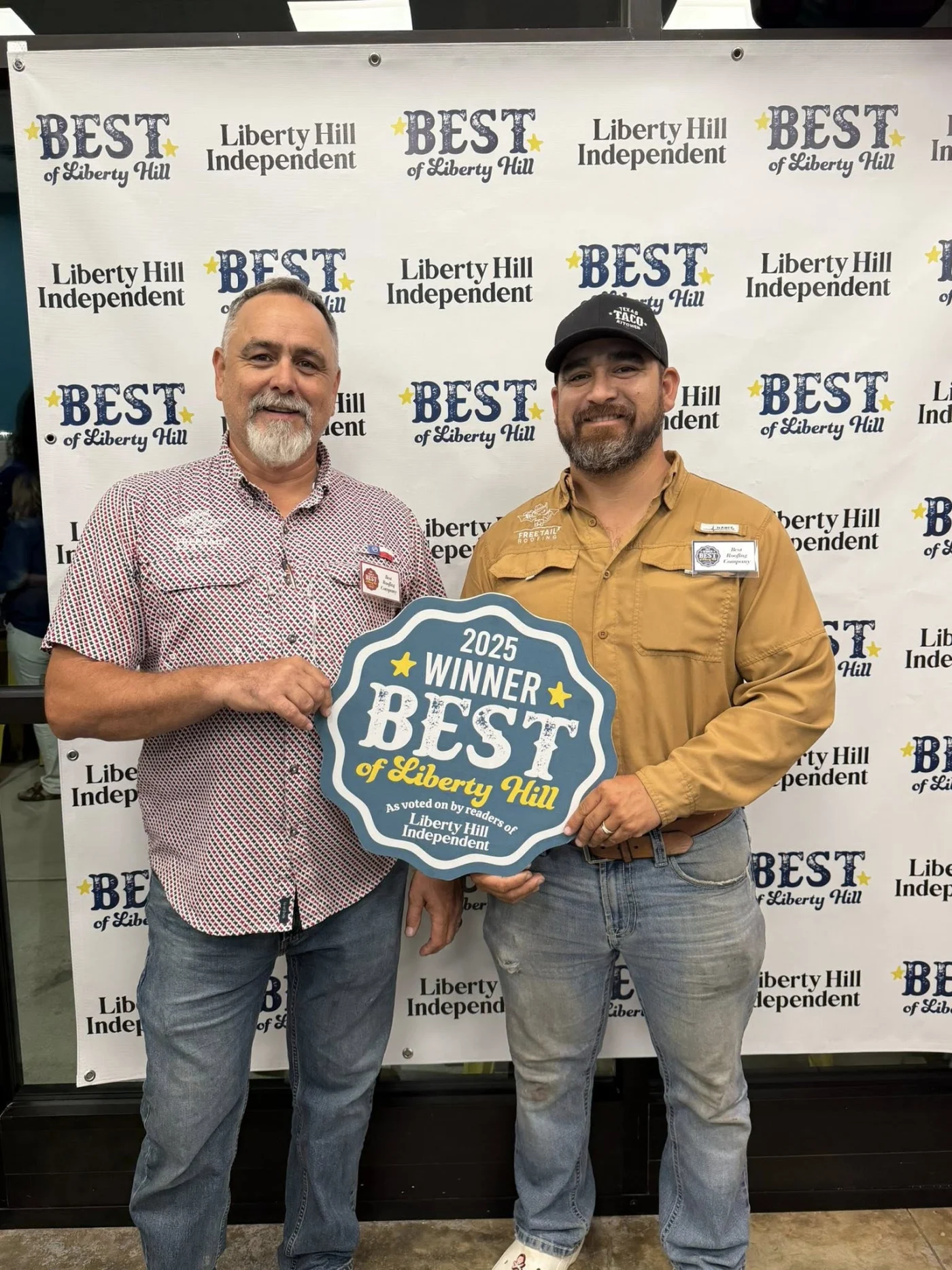
Relationships Over Transactions
Running a business in a small community changes the math.
In bigger places, everything moves fast. You can be anonymous. A bad experience gets lost in the noise. A good one does too. Most interactions are transactional, whether anyone admits it or not. You provide a service. Someone pays for it. Everyone moves on.
That does not really work here.
In a small community, you do not disappear when the job is done. You see the same people again. At the grocery store. At school events. At the gas station. You hear about their kids. They hear about yours. The work follows you home, whether you like it or not.
Which changes how you do the work.
Everyone knows your name, for better or worse
When you run a business in a place like this, your reputation is not a logo. It is a conversation. It is something people pass along quietly, usually when you are not in the room.
That can be uncomfortable. You cannot hide behind contracts or fine print or clever marketing. If you rush a job or cut corners, someone will mention it. Not angrily. Just honestly. And that story will stick.
But the opposite is true too. When you show up. When you answer the phone. When you fix something that did not technically have to be fixed. People remember that. And they tell that story as well.
That is the quiet accountability of a small town.
You cannot treat people like line items
Transactions are clean. They start and end neatly. Relationships are not.
Relationships require patience. They require honesty when it would be easier to smooth things over. They require saying no sometimes. Or saying, “That is going to cost more than you want to hear,” and staying in the conversation anyway.
In a small community, you learn quickly that people can tell when they are being treated like a number. And once that feeling sets in, it is hard to undo.
The upside is that when people feel seen and respected, they tend to extend a lot of grace. They understand weather delays. They understand mistakes. They understand that life happens. But that understanding only exists when the relationship came first.
Doing the right thing costs more in the short term
This is the part people do not always talk about.
Choosing relationships over transactions often costs you time. Sometimes money. Sometimes a job you could have pushed through faster or cheaper. There are moments where doing the right thing feels inefficient.
But those moments add up in a different way.
They add up to trust. To long memories. To people who call you first instead of shopping you against five other options. Not because you are the cheapest, but because they already know who you are.
That kind of trust cannot be bought. It has to be earned slowly, one decision at a time.
Why small communities notice everything
In a small community, nothing exists in isolation. The work you do bleeds into the rest of your life. And honestly, that is not a bad thing.
It keeps you grounded. It reminds you that the person you are helping today might be sitting next to you at a ball game next week. Or recommending you to their neighbor. Or trusting you with something important again down the road.
You stop asking, “How fast can we get this done?” and start asking, “How will this feel later?”
The long view
Running a business this way does not scale easily. It is not flashy. It does not fit neatly into a growth chart.
But it lasts.
It lasts because it is built on real people, not just numbers. On conversations, not just contracts. On trust that compounds quietly over time.
In a small community, relationships are the real currency. Everything else is just paperwork.
And once you understand that, you stop trying to win transactions. You start trying to take care of people. The rest tends to work itself out.